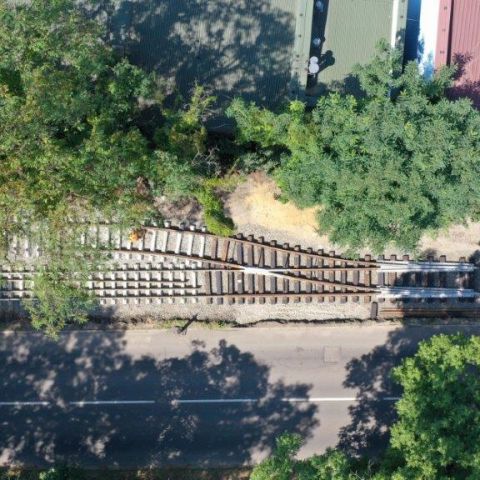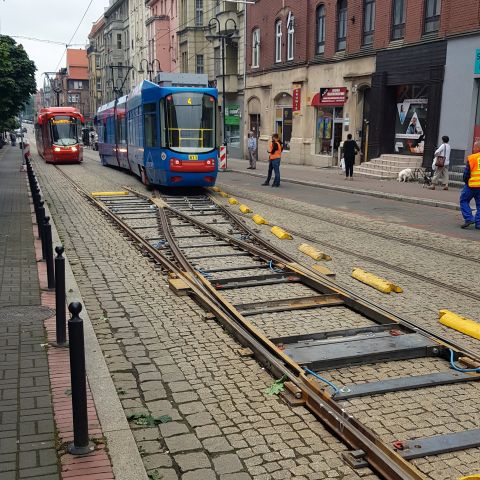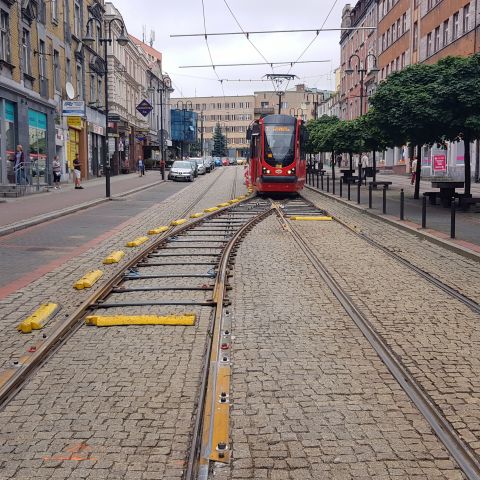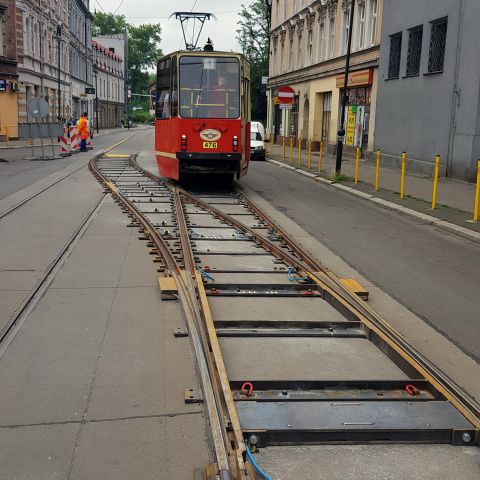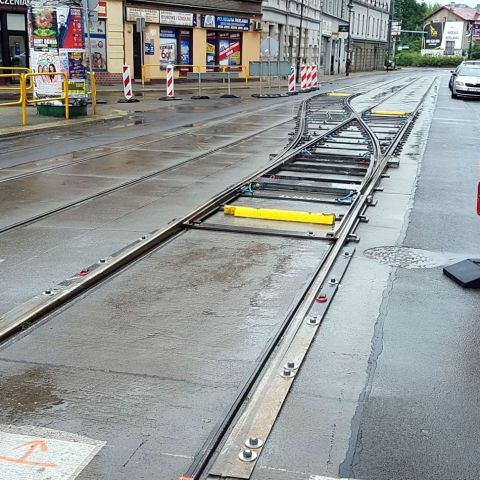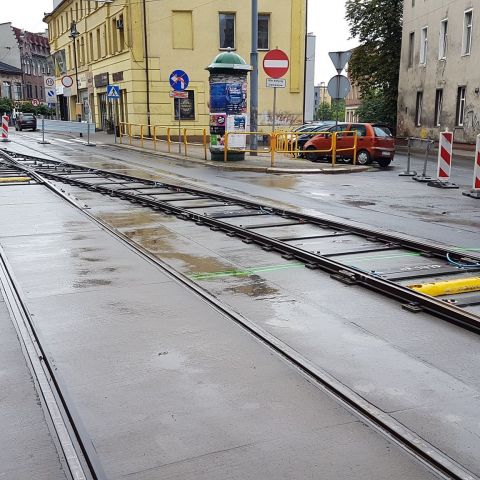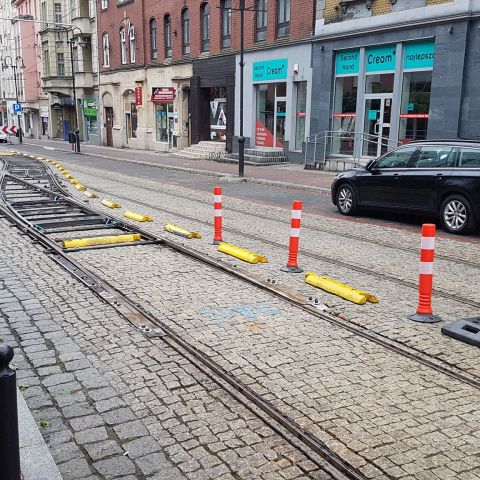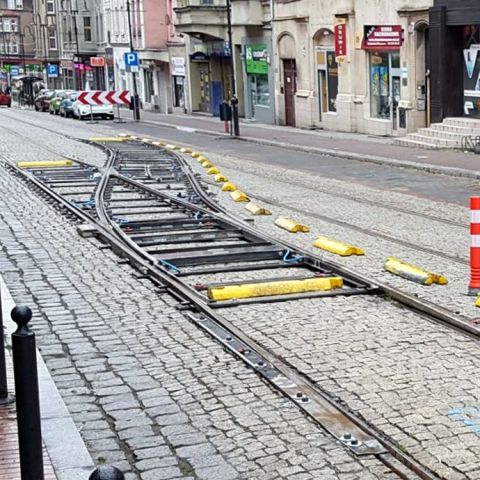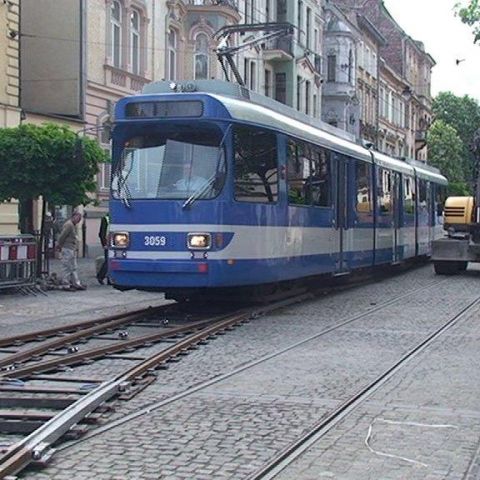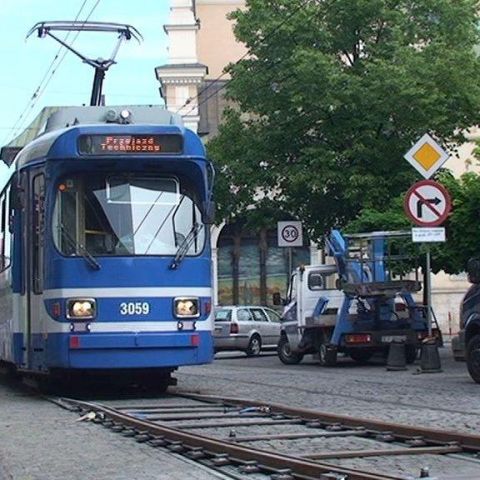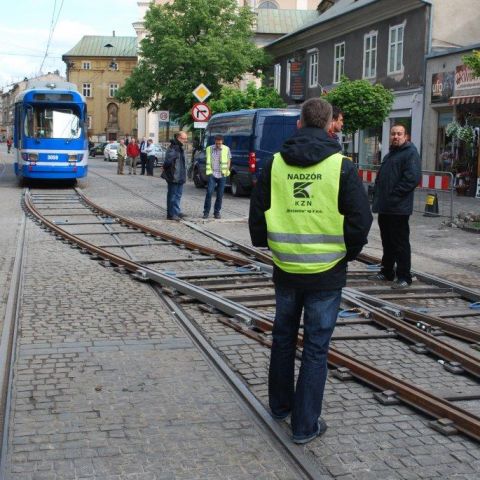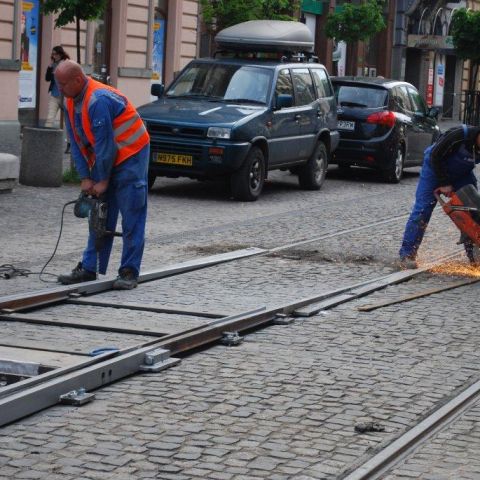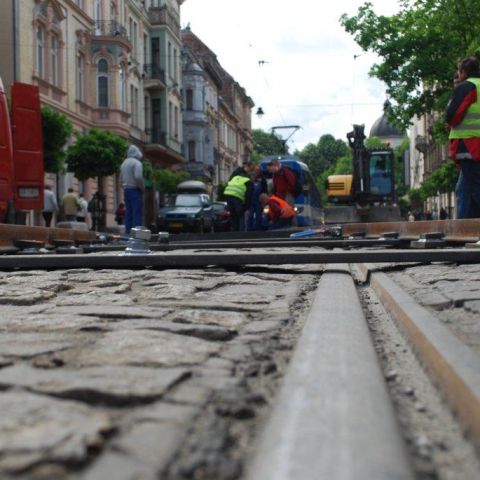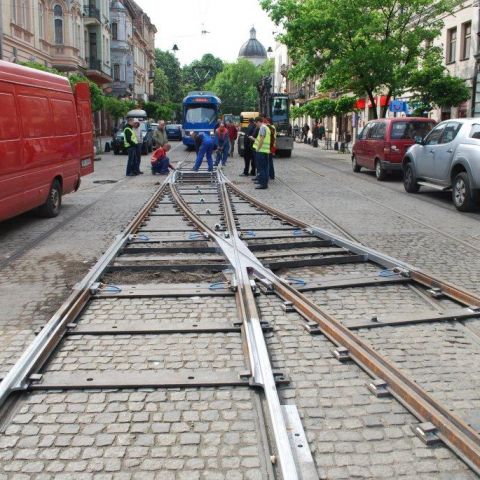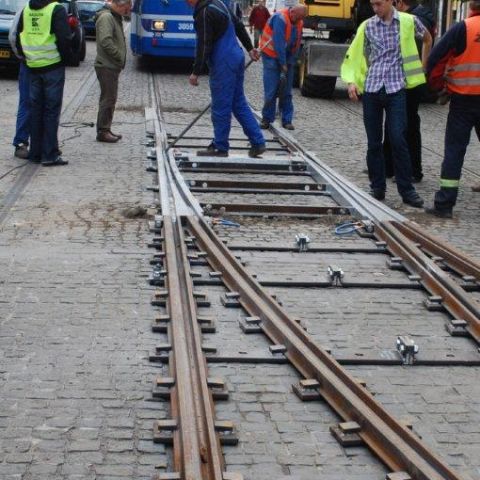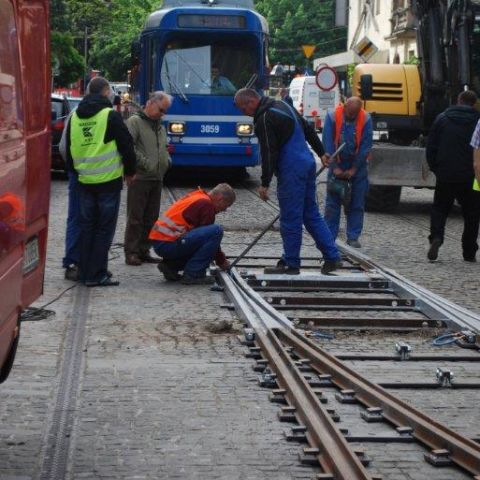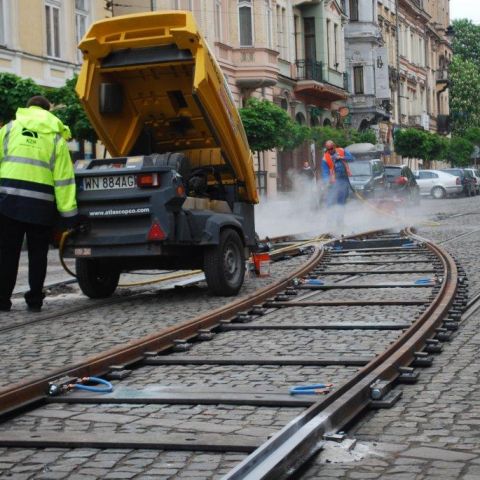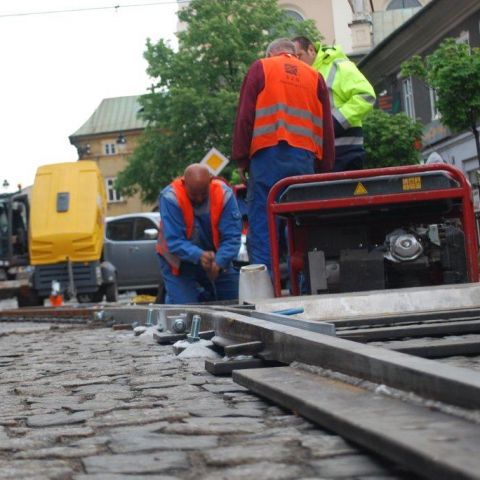


Temporary turnouts are used in places, where despite ongoing construction works related to track alteration, it is necessary to keep the line passable. Depending on the type of track, KZN Rail uses classic or overlay turnouts. We use these structures both for our own projects and lease them out to other investors or contractors.
Temporary turnouts are used mostly due to the need to maintain tram traffic on the renovated network sections, the aim of which is to minimize inconvenience to passengers by keeping trams running. Measurable savings for the transport organizer are not without importance as they allow to minimize costs associated with the need to introduce foster communication.
The installation of two temporary turnouts at the far ends of the renovated section enables the trams to run in both directions on one track. Simultaneously, modernization or maintenance work may be carried out on the adjacent track. Once this stage is completed, temporary turnouts are moved and trams can run on the modernized track, while the other track is being rebuilt. Upon completion of works on the modernized section, the temporary turnouts are disassembled and the original condition and track system is restored.
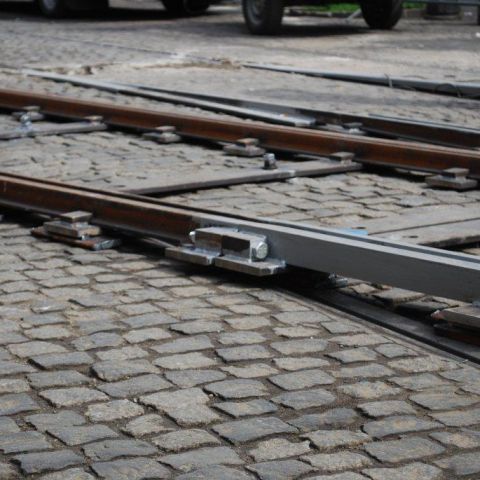
Depending on the infrastructure existing in the modernized section, temporary turnouts can be installed as classic turnouts using ballast technology, which requires changes to the structure of the existing track; or – when the track is integrated with the roadway – as overlay turnouts, which are installed directly on the existing rails, and are accessed by special inrun tracks. Most significantly, overlay turnouts reduce interference with the existing road and track system to a minimum.
In order to ensure maximum safety during alteration the track and with the traffic on a single track, the passing siding signaling system is used, which indicates which track is occupied.